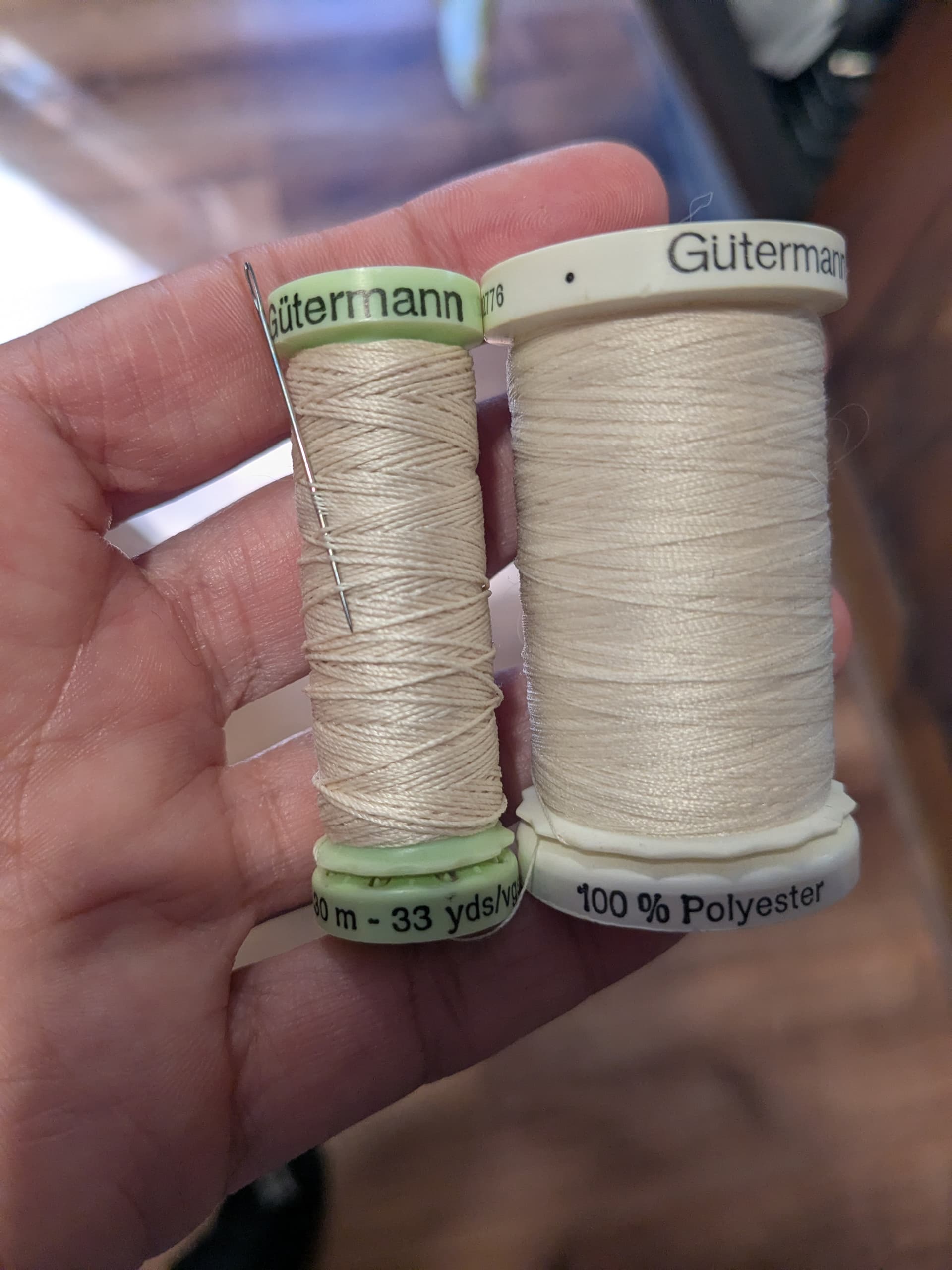
I’ve had “growing pains” literally all of my life. It’s kinda hell, and it’s usually in my legs specifically. Magnesium does not do much for me.
The only thing that has helped me over the years is being upside down. Like in a handstand or dangling off the couch or legs up a wall for a while. I don’t understand the science here but
It’s notably better if I don’t have any impingement, ie a handstand is best, but that’s not always realistic.
Dangling off a piece of furniture is my second choice and legs up the wall is an easy approachable third choice.
Potassium, magnesium, sodium at appropriate levels are all important for preventing muscle cramps. Massage helps some people- both prevention and a massage gun to release a cramp. HRT can help musculoskeletal concerns in peri and post menopausal women if indicated.
For me, I had a lot of them in my teens and early 20s. More sodium (my diet didn’t have much) and more walking during the day helped reduce mine. Narrow toed shoes made them way worse.
I used to have a spool of what was labeled “utility thread”. I used it up and now I would like more of it but searching is proving more complicated than I expected. I just want something black, something a step up from run of the mill thread. Use will be for random mending around the house, school back pack straps probably, things like that. What search term do I need? Or a link would also work. Local thread availability is very not great.
Thread does have weights. The old system goes by weight in grams by some yardage. It’s like wire, smaller number means larger thread (or wire). There is another system called the tex system as well, which is reversed I think (larger number = larger thread).
But most thread I think is also labeled by purpose as well. General purpose sewing thread is the thinnest and fine for most applications. Something labeled for denim or topstitching is going to be thicker. Upholstery thread I think will be thickest of all.
Also, there is polyester thread and cotton thread (and silk thread). Polyester is more durable (and more common, I think), but if you want to dye natural fiber cloth and you want the thread to also dye you must use cotton thread, because polyester won’t take up dye for natural fibers. (Silk I don’t know, though silk is very strong and is a natural fiber but might take up dye differently but besides, you wouldn’t use silk for general purpose thread anyway. I suppose you would use silk thread with silk cloth if you wanted to dye it.) I am a big fan of natural fibers, but I do mostly use polyester thread.
Wawak labels the thread by weight, but I’ve not seen that done in stores. I have a spool of buttonhole thread that is very sturdy.
Silk thread is lovely and strong but slippery to sew with! (I only have silk thread because I thrifted a big old bag on nice specialty thread one time.)
Yeah, I probably never have seen it in physical stores either, but definitely have online.
So very jealous! One day I will decide on a special embroidery project and use silk thread, but it is so much more expensive and I am a beginner at embroidery too, so I imagine it would currently go poorly.